Understanding Radon: A Guide to Testing in Colorado

Radon is a colorless, odorless gas that can pose serious health risks, particularly in areas like Colorado where geological conditions are conducive to its presence. Understanding radon and how to test for it is crucial for homeowners and renters alike. This guide will walk you through the essentials of radon, its dangers, and how to effectively test for it in your home.
What is Radon?
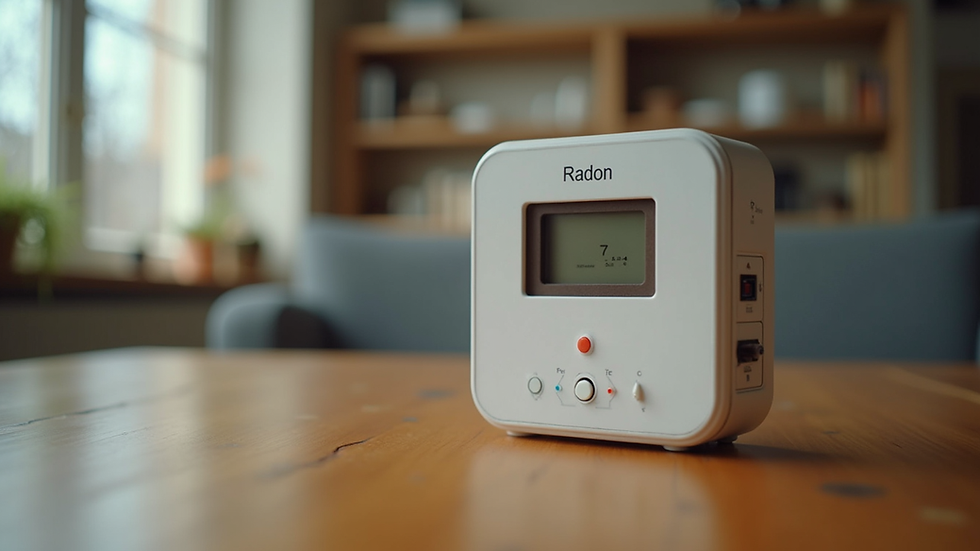
Radon is a naturally occurring radioactive gas that results from the decay of uranium in soil, rock, and water. It can seep into homes through cracks in floors, walls, and foundations, as well as through gaps around service pipes and construction joints.
Why is Radon a Concern?
Radon is the second leading cause of lung cancer in the United States, following smoking. According to the Environmental Protection Agency (EPA), radon is responsible for about 21,000 lung cancer deaths each year. The risk of developing lung cancer from radon exposure increases with the level of radon and the duration of exposure.
Radon Levels in Colorado
Colorado is known for its mountainous terrain, which can lead to higher concentrations of radon gas. The state has areas classified as "high risk" for radon exposure, particularly in the Front Range and mountainous regions.
Understanding Radon Zones
The EPA has designated radon zones based on the average indoor radon levels:
Zone 1: High potential for radon (4 pCi/L or more)
Zone 2: Moderate potential for radon (2-4 pCi/L)
Zone 3: Low potential for radon (less than 2 pCi/L)
In Colorado, many counties fall into Zone 1, making it essential for residents to test their homes for radon.
How to Test for Radon
Testing for radon is straightforward and can be done using either a short-term or long-term testing method.
Short-Term Testing
Short-term tests are typically conducted over a period of 2 to 90 days. These tests are useful for quickly determining if radon levels are elevated. Here’s how to conduct a short-term test:
Purchase a Radon Test Kit: You can find these kits at hardware stores or online. Ensure the kit is approved by the EPA.
Choose the Right Location: Place the test kit in the lowest livable area of your home, away from drafts, high humidity, and direct sunlight.
Follow Instructions: Each kit will come with specific instructions. Follow them carefully to ensure accurate results.
Send it for Analysis: After the testing period, send the kit to the designated lab for analysis.
Long-Term Testing
Long-term tests provide a more accurate picture of radon levels over time, typically lasting from 90 days to one year. The process is similar to short-term testing but offers a more comprehensive view of radon exposure.
Interpreting Radon Test Results
Radon levels are measured in picocuries per liter (pCi/L). Here’s how to interpret your results:
Less than 2 pCi/L: Generally considered safe.
2 to 4 pCi/L: Action is recommended. Consider retesting or taking mitigation steps.
More than 4 pCi/L: Immediate action is necessary. It is advisable to install a radon mitigation system.
Mitigating Radon Exposure
If your home tests above the recommended levels, it’s crucial to take steps to reduce radon exposure. Here are some effective mitigation strategies:
Radon Mitigation Systems
Active Soil Depressurization: This is the most common method, which involves installing a vent pipe system and a fan to pull radon from beneath the house and vent it outside.
Sealing Cracks and Openings: Sealing cracks in floors and walls, as well as gaps around service pipes, can help reduce radon entry.
Improving Ventilation: Increasing air circulation in your home can help dilute radon levels.
Professional Help
While some homeowners may choose to mitigate radon themselves, hiring a professional mitigator is often the best option. Professionals can assess your home and recommend the most effective solutions.
Maintaining a Radon-Free Home
Once you have mitigated radon levels, it’s essential to maintain a radon-free environment. Here are some tips:
Regular Testing: Test your home every two years or after any major renovations.
Monitor Changes: If you notice changes in your home’s structure or ventilation, consider retesting.
Educate Family Members: Ensure everyone in your household understands the risks of radon and the importance of testing.
Resources for Radon Testing in Colorado
If you’re looking for more information or assistance with radon testing and mitigation in Colorado, consider the following resources:
Colorado Department of Public Health and Environment: Offers information on radon and testing resources.
EPA Radon Program: Provides guidelines and resources for testing and mitigation.
Local Health Departments: Many local health departments offer radon testing kits and information.
Conclusion
Understanding radon and its risks is essential for homeowners in Colorado. By testing your home and taking necessary mitigation steps, you can protect yourself and your loved ones from the dangers of radon exposure. Regular testing and awareness are key to maintaining a safe living environment. Don’t wait—take action today to ensure your home is radon-free.


Comments