Affordable Radon Testing: Protect Your Home Today

Radon is an invisible, odorless gas that can seep into homes from the ground, posing serious health risks. In fact, the U.S. Environmental Protection Agency (EPA) estimates that radon is the second leading cause of lung cancer after smoking. With such alarming statistics, it’s crucial for homeowners to take proactive measures to ensure their living spaces are safe. Fortunately, affordable radon testing options are available, allowing you to protect your home without breaking the bank.

Understanding Radon and Its Risks
Radon is a naturally occurring radioactive gas produced by the decay of uranium in soil, rock, and water. It can accumulate in homes, particularly in basements and lower levels, where it can pose significant health risks. Here are some key points to understand about radon:
Health Risks: Long-term exposure to radon can lead to lung cancer. The EPA estimates that radon is responsible for about 21,000 lung cancer deaths each year in the United States.
How It Enters Homes: Radon can enter homes through cracks in floors, walls, construction joints, and gaps around service pipes. It can also be found in well water.
Testing is Essential: The only way to know if your home has elevated radon levels is through testing.
Why Affordable Radon Testing Matters
Many homeowners may hesitate to test for radon due to perceived costs. However, affordable radon testing is crucial for several reasons:
Early Detection: Identifying radon levels early can prevent long-term health issues. The sooner you know, the sooner you can take action.
Peace of Mind: Knowing your home is safe from radon can provide peace of mind for you and your family.
Cost-Effective Solutions: Many affordable testing options are available, making it accessible for everyone.
Types of Radon Testing
When it comes to radon testing, there are two primary methods: short-term and long-term testing. Understanding the differences can help you choose the best option for your needs.
Short-Term Testing
Short-term tests are typically conducted over a period of 2 to 90 days. These tests are ideal for quick assessments and can be done using:
Charcoal Canisters: These are placed in the lowest livable area of your home for a few days. After the testing period, the canister is sent to a lab for analysis.
Electret Ion Chamber Detectors: These devices measure radon levels and can provide results in a matter of days.
Long-Term Testing
Long-term tests are conducted for more than 90 days and provide a more accurate representation of radon levels in your home. Common long-term testing methods include:
Alpha Track Detectors: These devices collect data over several months and are sent to a lab for analysis.
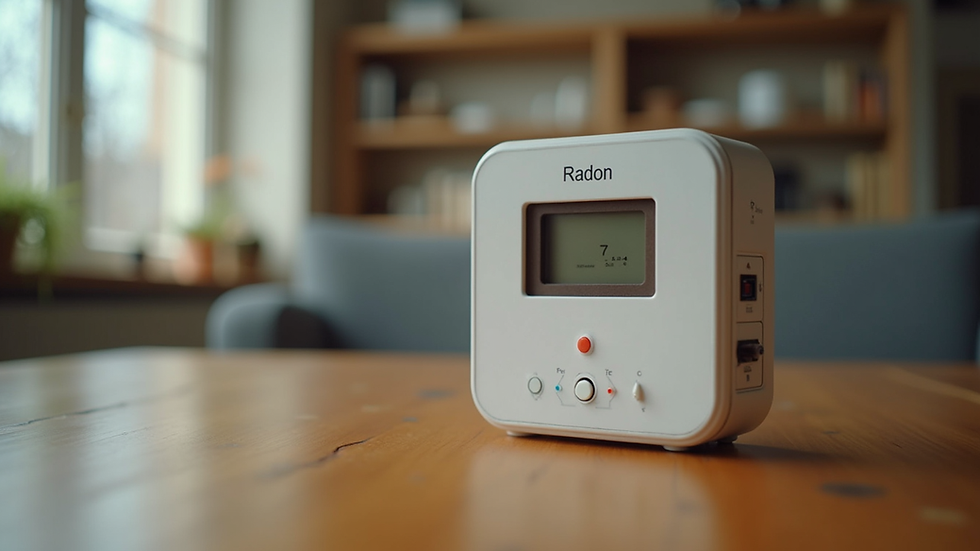
Continuous Radon Monitors: These electronic devices provide real-time readings and can be left in place for extended periods.
How to Conduct Radon Testing
Conducting radon testing is a straightforward process. Here’s a step-by-step guide to help you get started:
Choose a Testing Method: Decide between short-term and long-term testing based on your needs.
Purchase a Testing Kit: You can find affordable radon testing kits at local hardware stores or online. Ensure the kit is EPA-approved.
Follow Instructions: Carefully read and follow the instructions provided with the testing kit. Proper placement is crucial for accurate results.
Send for Analysis: After the testing period, send your kit to the designated lab for analysis.
Review Results: Once you receive your results, compare them to the EPA action level of 4.0 pCi/L. If your levels are above this threshold, it’s time to take action.
Interpreting Your Radon Test Results
Understanding your radon test results is essential for determining the next steps. Here’s how to interpret the findings:
Below 2.0 pCi/L: Generally considered safe. No immediate action is needed, but retesting every few years is advisable.
Between 2.0 and 4.0 pCi/L: This range indicates a potential risk. Consider taking action to reduce radon levels.
Above 4.0 pCi/L: This level is above the EPA action level. It’s crucial to take steps to mitigate radon exposure.
Radon Mitigation Options
If your radon levels are elevated, several effective mitigation options are available to reduce radon exposure:
1. Active Soil Depressurization (ASD)
This is the most common and effective radon mitigation method. It involves installing a vent pipe system and fan to draw radon from beneath the house and vent it outside.
2. Sealing Cracks and Openings
Sealing cracks in floors and walls, as well as gaps around service pipes, can help reduce radon entry. While this method alone may not be sufficient, it can enhance the effectiveness of other mitigation strategies.
3. Ventilation Improvements
Improving ventilation in your home can help reduce radon levels. This can include using exhaust fans and ensuring proper airflow in basements and crawl spaces.
4. Radon-Resistant Construction Techniques
If you are building a new home, consider incorporating radon-resistant construction techniques. This can include installing a passive radon system that can be activated later if needed.
Cost of Radon Testing and Mitigation
The cost of radon testing and mitigation can vary based on several factors, including your location and the size of your home. Here’s a breakdown of typical costs:
Radon Testing Kits: Affordable kits can range from $15 to $30 for short-term tests and $50 to $150 for long-term tests.
Mitigation Systems: The cost of installing a radon mitigation system can range from $800 to $2,500, depending on the complexity of the installation and your home’s design.
Finding Affordable Radon Testing Services
To find affordable radon testing services, consider the following tips:
Local Health Departments: Many local health departments offer radon testing services at reduced rates or even for free.
Nonprofit Organizations: Some nonprofit organizations provide resources and assistance for radon testing and mitigation.
Online Resources: Websites like the EPA’s Radon website can help you locate certified radon testers in your area.
Conclusion
Radon is a serious health risk that can affect any home. Fortunately, affordable radon testing options are available to help you protect your family. By understanding the risks, testing your home, and taking appropriate action, you can ensure a safer living environment. Don’t wait—take the first step today by testing your home for radon. Your health and peace of mind are worth it.


Comments