How Radon Testing Protects Colorado Homes from Radon Hazards in Homes

Radon is a silent threat lurking in many homes across Colorado. It is a naturally occurring radioactive gas that can seep into buildings through cracks and openings in the foundation. Because radon is colorless, odorless, and tasteless, it often goes undetected without proper testing. Understanding how radon testing protects Colorado homes is essential for maintaining a safe living environment.
Radon exposure is the second leading cause of lung cancer after smoking. This fact alone makes radon testing a critical step for anyone living in or managing properties in Colorado. The state’s unique geology means radon levels can vary widely from one neighborhood to another. Testing is the only way to know if your home has elevated radon levels that require mitigation.

Understanding Radon Hazards in Homes
Radon forms naturally when uranium in soil, rock, and water breaks down. It moves up through the ground and can enter homes through foundation cracks, gaps around pipes, and other openings. Once inside, radon can accumulate to dangerous levels, especially in lower areas like basements and crawl spaces.
The health risks associated with radon exposure are serious. Long-term inhalation of radon gas increases the risk of lung cancer. The Environmental Protection Agency (EPA) estimates that radon causes about 21,000 lung cancer deaths annually in the United States. Colorado’s geology makes it a high-risk state for radon hazards in homes, so testing is not just recommended but necessary.
Homes with poor ventilation or those built on soil with high uranium content are particularly vulnerable. Radon levels can fluctuate with weather, seasons, and home usage patterns, which is why testing should be done regularly. Testing helps identify if radon levels exceed the EPA action level of 4 picocuries per liter (pCi/L), the threshold at which mitigation is advised.
How Radon Testing Works and Why It Matters
Radon testing is a straightforward process that provides critical information about indoor air quality. There are two main types of radon tests: short-term and long-term. Short-term tests last from 2 to 7 days and are useful for quick screening. Long-term tests, which last 90 days or more, provide a more accurate picture of average radon levels over time.
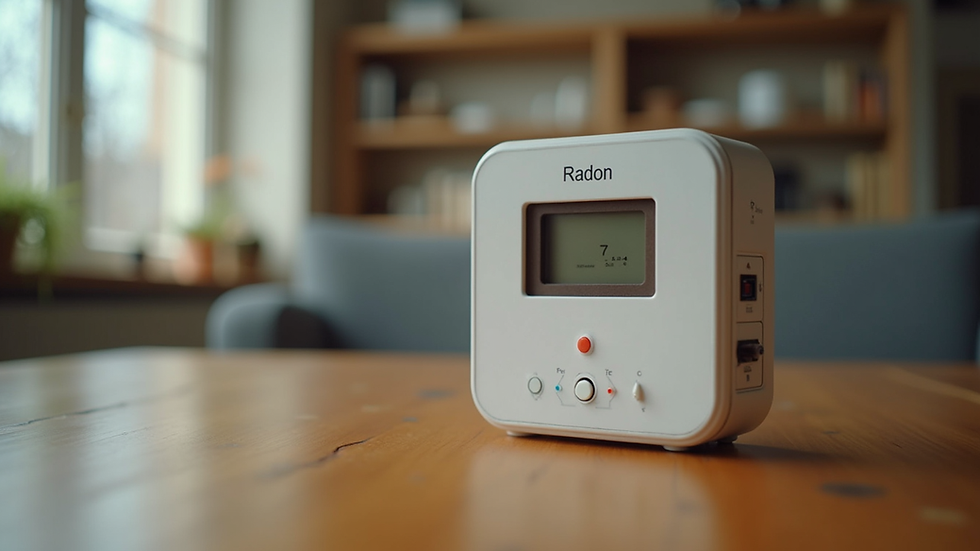
Testing devices are placed in the lowest lived-in area of the home, often the basement or ground floor. These devices measure the concentration of radon gas in the air. After the testing period, the device is sent to a lab for analysis, or a digital monitor provides immediate results.
The importance of radon testing cannot be overstated. Without testing, homeowners have no way of knowing if their family is at risk. Testing is the first step in protecting your home from radon hazards. If elevated levels are found, mitigation systems can be installed to reduce radon concentrations and improve indoor air quality.
Where can I get a free radon test in Colorado?
Many local health departments and environmental agencies in Colorado offer free or low-cost radon test kits to residents. These programs aim to increase awareness and encourage testing across the state. For example, some county health departments provide free radon test kits during specific times of the year or as part of community outreach efforts.
Additionally, some real estate transactions include radon testing as part of the home inspection process. Homeowners can also contact certified radon professionals who may offer free or discounted testing services, especially during radon awareness months.
To find a free radon test in Colorado, check with your local public health department or visit the Colorado Department of Public Health and Environment website. They provide resources and information on how to obtain test kits and interpret results.
Practical Steps to Protect Your Home from Radon
Once you understand the risks and have tested your home, taking action is the next step. Here are practical recommendations to protect your home from radon hazards:
Test your home regularly - Conduct radon testing every two years or after major renovations.
Seal cracks and openings - Use caulk or sealant to close gaps in the foundation and around pipes.
Improve ventilation - Increase airflow in basements and crawl spaces to reduce radon buildup.
Install a radon mitigation system - If radon levels are above 4 pCi/L, hire a certified professional to install a system that vents radon gas outside.
Retest after mitigation - Confirm that radon levels have been successfully reduced.
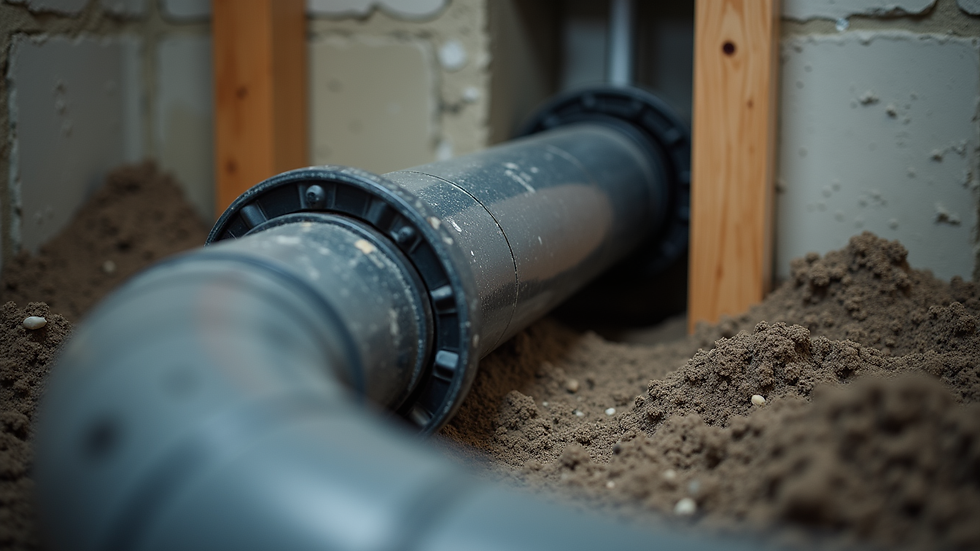
These steps are essential for maintaining a safe home environment. Radon mitigation systems typically involve a vent pipe and fan that draw radon from beneath the home and release it outdoors, preventing it from entering living spaces.
Why Choosing Professional Radon Testing Matters
While DIY radon test kits are available, professional radon testing offers several advantages. Certified testers have the expertise to place devices correctly, interpret results accurately, and recommend appropriate mitigation solutions. They also use high-quality equipment that meets state and EPA standards.
Professional testing ensures reliable results, which is crucial for making informed decisions about your home’s safety. It also provides documentation that may be required during real estate transactions or for insurance purposes.
For those seeking reliable and trustworthy radon testing in Colorado, working with certified professionals is the best choice. They can guide you through the entire process, from testing to mitigation, ensuring your home is protected from radon hazards.
Radon is an invisible danger that requires attention and action. Testing is the only way to know if your home is at risk. By understanding radon hazards in homes and taking proactive steps, you can protect your family’s health and peace of mind. Regular testing, proper mitigation, and professional guidance are key to keeping Colorado homes safe from this silent threat.


Comments