The Importance of Radon Testing: Why Radon Testing Is Vital in Colorado

Radon is a silent threat lurking beneath many homes, especially in Colorado. This invisible gas can pose serious health risks if left undetected. Understanding why radon testing is vital in Colorado is essential for anyone involved in homeownership, real estate, or property management. In this post, I will explain the importance of radon testing, how radon affects health, and practical steps to ensure your home is safe.
Understanding the Importance of Radon Testing
Radon is a naturally occurring radioactive gas that comes from the breakdown of uranium in soil, rock, and water. It can seep into buildings through cracks and openings in foundations. Because radon is colorless, odorless, and tasteless, the only way to know if it is present is through testing.
The importance of radon testing cannot be overstated. Radon exposure is the second leading cause of lung cancer after smoking. The Environmental Protection Agency (EPA) estimates that radon causes about 21,000 lung cancer deaths annually in the United States. Colorado’s unique geology makes it a high-risk area for elevated radon levels.
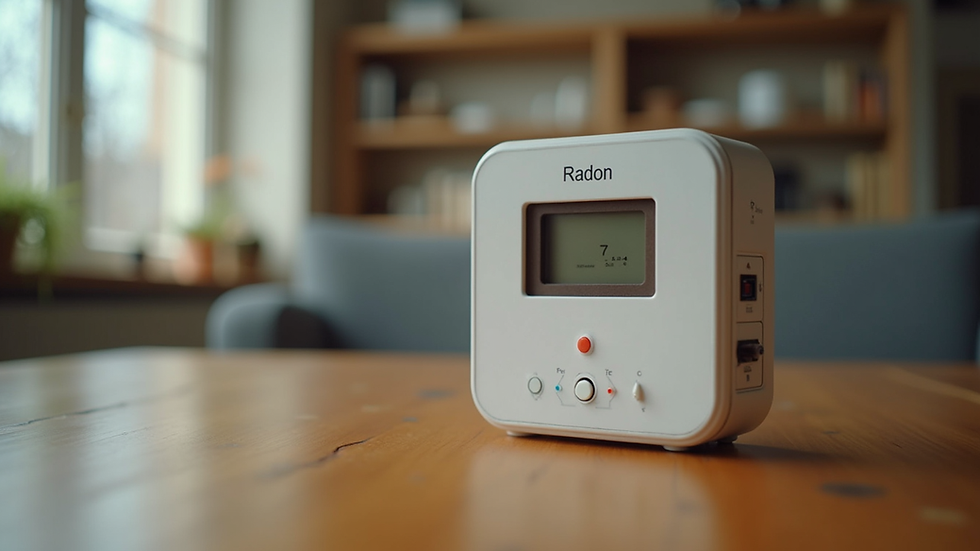
Testing your home for radon is the first step in protecting your family’s health. Without testing, you cannot know if your home has dangerous radon levels. Testing is simple, affordable, and can be done by professionals or with do-it-yourself kits.

How Radon Affects Health and Safety
Radon gas decays into radioactive particles that can be inhaled into the lungs. Over time, these particles damage lung tissue and increase the risk of lung cancer. The risk is higher for smokers but is significant even for non-smokers exposed to high radon levels.
Symptoms of radon exposure do not appear immediately. Lung cancer caused by radon can take years or decades to develop, making early detection through testing critical. The EPA recommends action if radon levels exceed 4 picocuries per liter (pCi/L).
Radon exposure is a preventable health risk. By testing and mitigating radon, you reduce the chance of lung cancer and protect your family’s long-term health. This is why radon testing is a vital part of home safety in Colorado.
Is radon testing necessary in Colorado?
Yes, radon testing is necessary in Colorado. The state ranks among the highest in the nation for radon levels due to its geology. Many homes in Colorado have radon levels above the EPA action level of 4 pCi/L.
Testing is especially important when buying or selling a home. Real estate professionals and home inspectors often recommend radon testing as part of the inspection process. Property management companies should also test rental properties regularly to ensure tenant safety.
Even if previous tests showed low radon levels, retesting is wise. Changes in the home’s structure, ventilation, or soil conditions can affect radon levels over time. Regular testing ensures ongoing safety.

Practical Steps for Radon Testing and Mitigation
Taking action to test and mitigate radon is straightforward. Here are practical steps to follow:
Purchase a Radon Test Kit or Hire a Professional
You can buy an EPA-approved radon test kit online or at hardware stores. For more accurate results, consider hiring a certified radon professional.
Conduct the Test Properly
Follow the instructions carefully. Place the test kit in the lowest lived-in level of your home, away from drafts, high heat, and humidity. Testing usually takes 2 to 7 days.
Send the Kit for Analysis
After the testing period, send the kit to the lab specified in the instructions. Results typically arrive within a few weeks.
Interpret the Results
If radon levels are below 4 pCi/L, no immediate action is needed, but retesting every few years is recommended. If levels are 4 pCi/L or higher, mitigation is necessary.
Mitigate High Radon Levels
Radon mitigation involves installing systems that vent radon gas from beneath the home to the outside. Common methods include sub-slab depressurization and sealing foundation cracks.
Retest After Mitigation
Always retest your home after mitigation to ensure radon levels have been reduced effectively.
By following these steps, you can protect your home and family from radon’s dangers.
The Role of Radon Testing in Real Estate and Property Management
Radon testing plays a crucial role in real estate transactions and property management. Buyers want assurance that their new home is safe. Sellers benefit from disclosing radon levels and addressing any issues upfront.
Property managers have a responsibility to provide safe living environments. Regular radon testing and mitigation protect tenants and reduce liability risks. Including radon testing in routine property inspections is a best practice.
Educating clients and tenants about radon risks and testing options builds trust and promotes health awareness. It also aligns with local regulations and guidelines that may require radon disclosure or testing.
Staying Safe with Reliable Radon Testing in Colorado
Radon testing in Colorado is not just a recommendation - it is a necessity. The state’s geology makes radon a common and serious threat. Testing is the only way to detect this invisible gas and take action.
Reliable radon testing services provide peace of mind. They help identify risks early and guide homeowners through mitigation if needed. Regular testing ensures ongoing safety as conditions change.
If you have not tested your home recently, now is the time. Protect your family’s health by making radon testing a priority. With simple steps and professional support, you can keep your home safe from this hidden danger.
Taking radon seriously is an investment in your home’s safety and your family’s future. Don’t wait - test today.
By understanding the importance of radon testing and taking proactive steps, you can ensure a safer living environment. Radon is a hidden hazard, but with knowledge and action, it is a manageable one.


Comments